Synchronisation Modes
Digital signage synchronisation modes explained: how SPARC keeps content aligned across multiple screens and video wall panels.
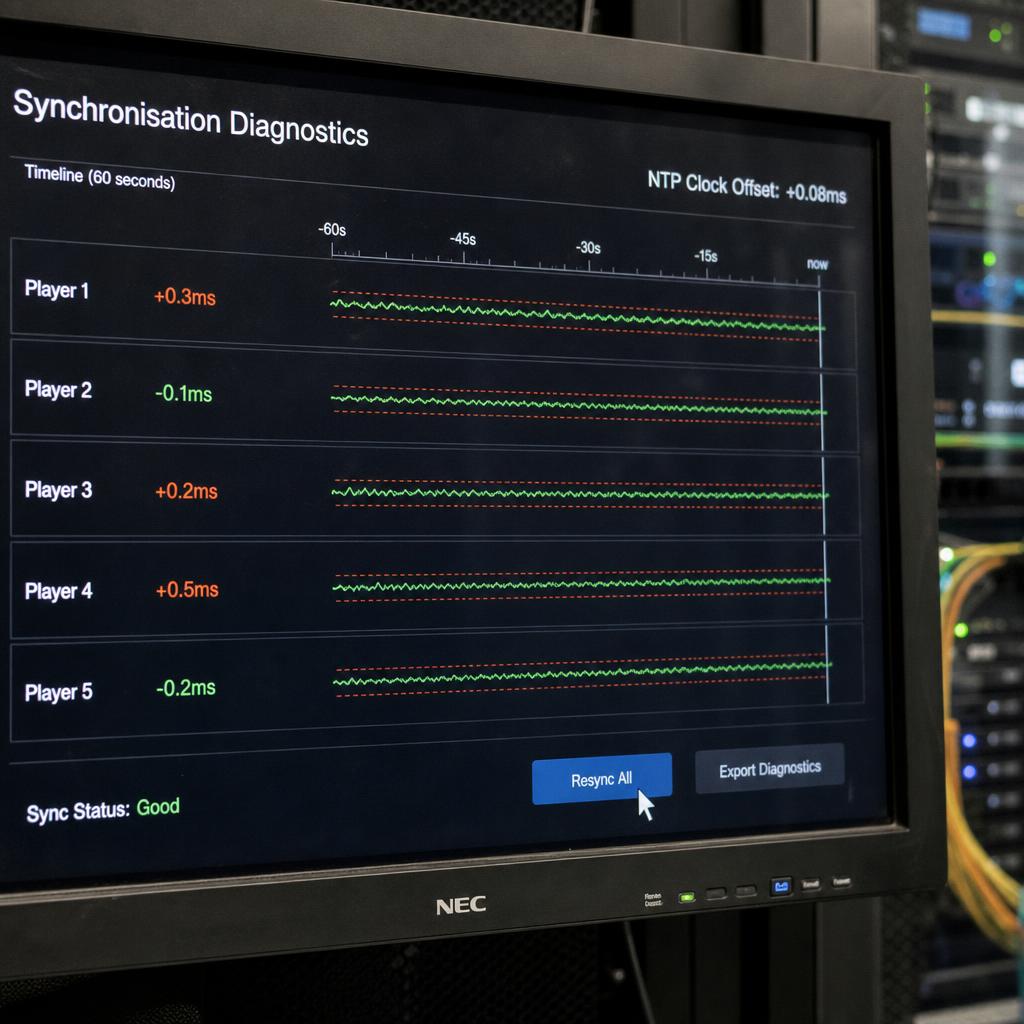
Why does synchronisation matter?
Synchronised playback creates powerful visual experiences. When multiple displays play content in perfect lockstep, you can span video across screens, create synchronised ambient environments, or ensure consistent messaging across locations.
Which synchronisation modes does SPARC offer?
SPARC offers several synchronisation modes to match your use case:
When should you use Frame Sync?
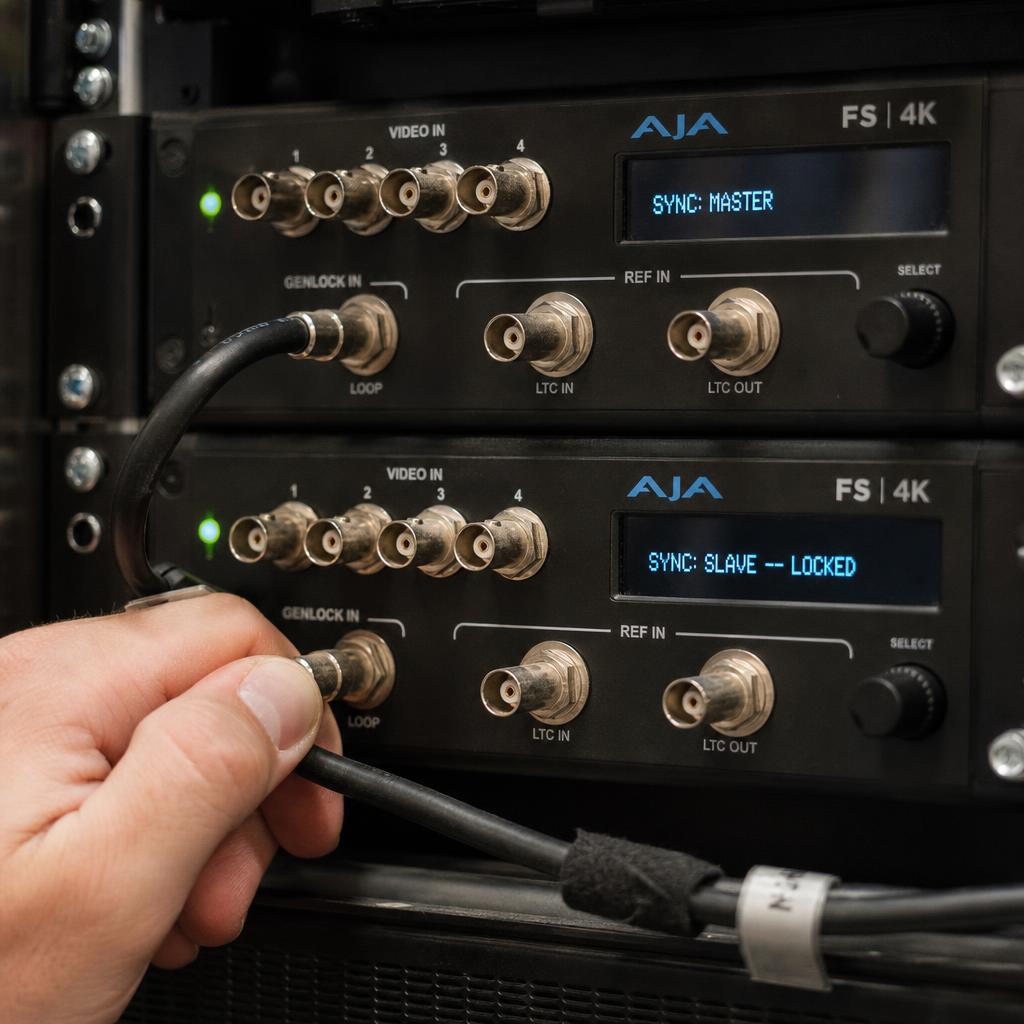
The most precise mode, Frame Sync ensures all displays in a group show the exact same frame at the exact same time. Ideal for video walls and installations where content spans multiple environments. Requires all players on the same network segment.
When should you use Time Sync?
Displays synchronise based on clock time rather than frame-by-frame. Good for distributed locations where you want content to play at the same moment (e.g., a promotion starting at 9:00 AM across all stores) but don't need frame-level precision.
When should you use Playlist Sync?
All displays play the same playlist but may be at different points. Useful when you want consistent content rotation without strict timing requirements.
When should displays run independently?
Each display operates independently. Content plays based on local scheduling with no synchronisation to other displays.
How do you choose the right sync mode?
Consider these factors when selecting a sync mode:
- 1For video walls: Always use Frame Sync
- 2For multi-location retail: Time Sync is usually sufficient
- 3For ambient/background content: Playlist Sync works well
- 4For experience displays with local scheduling: Independent mode
What network requirements apply to sync modes?
Frame Sync requires all synchronised players to be on the same local network with sub-5ms latency between devices. Time Sync and Playlist Sync work across any network connection.
Where can I get more help with SPARC digital signage?
Start using SPARC today and get access to our growing knowledge base.
Start Trial