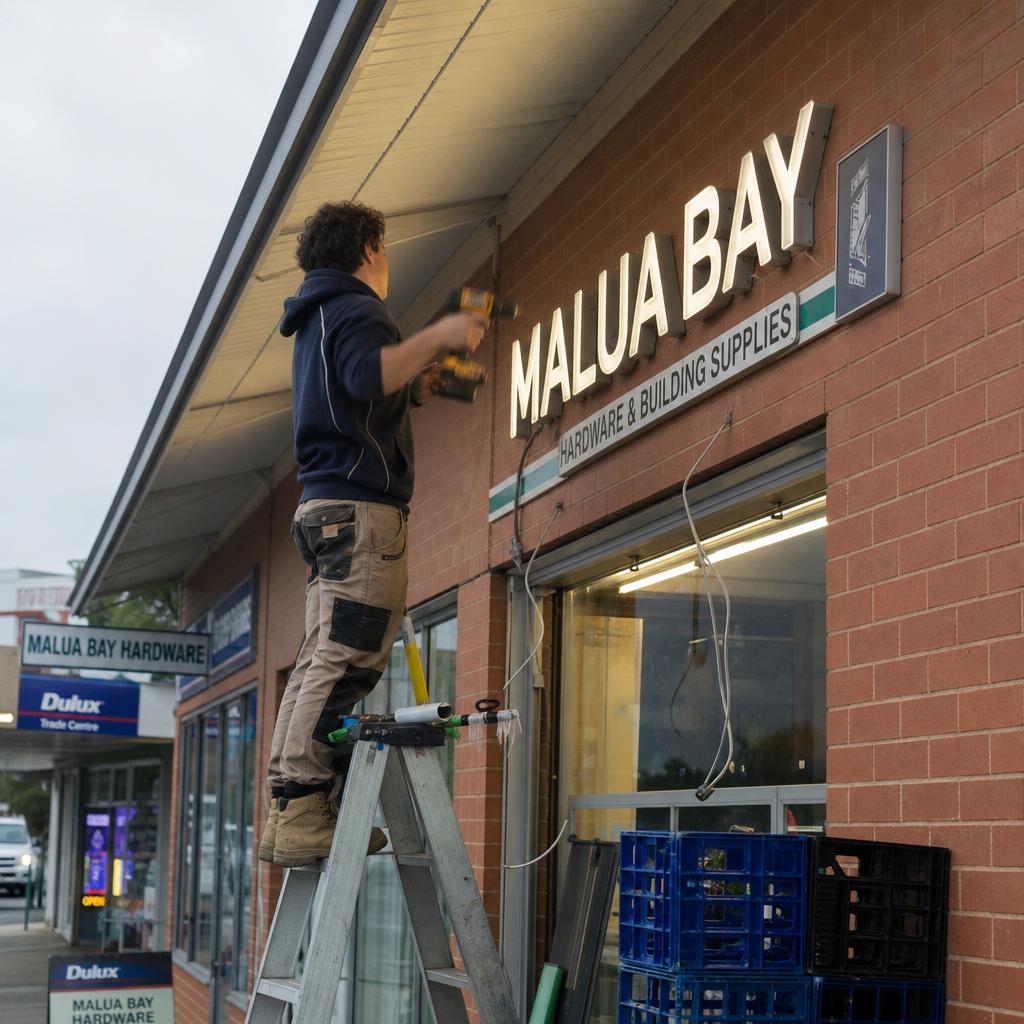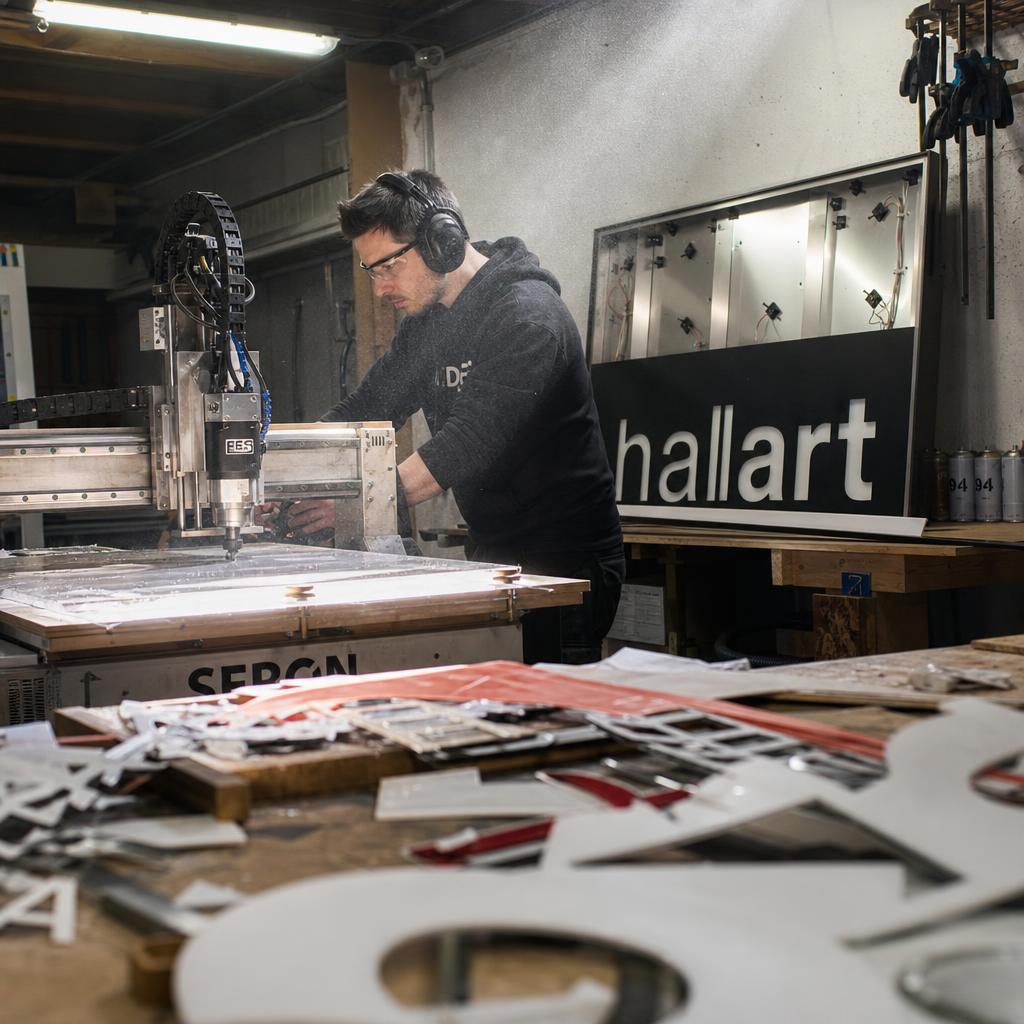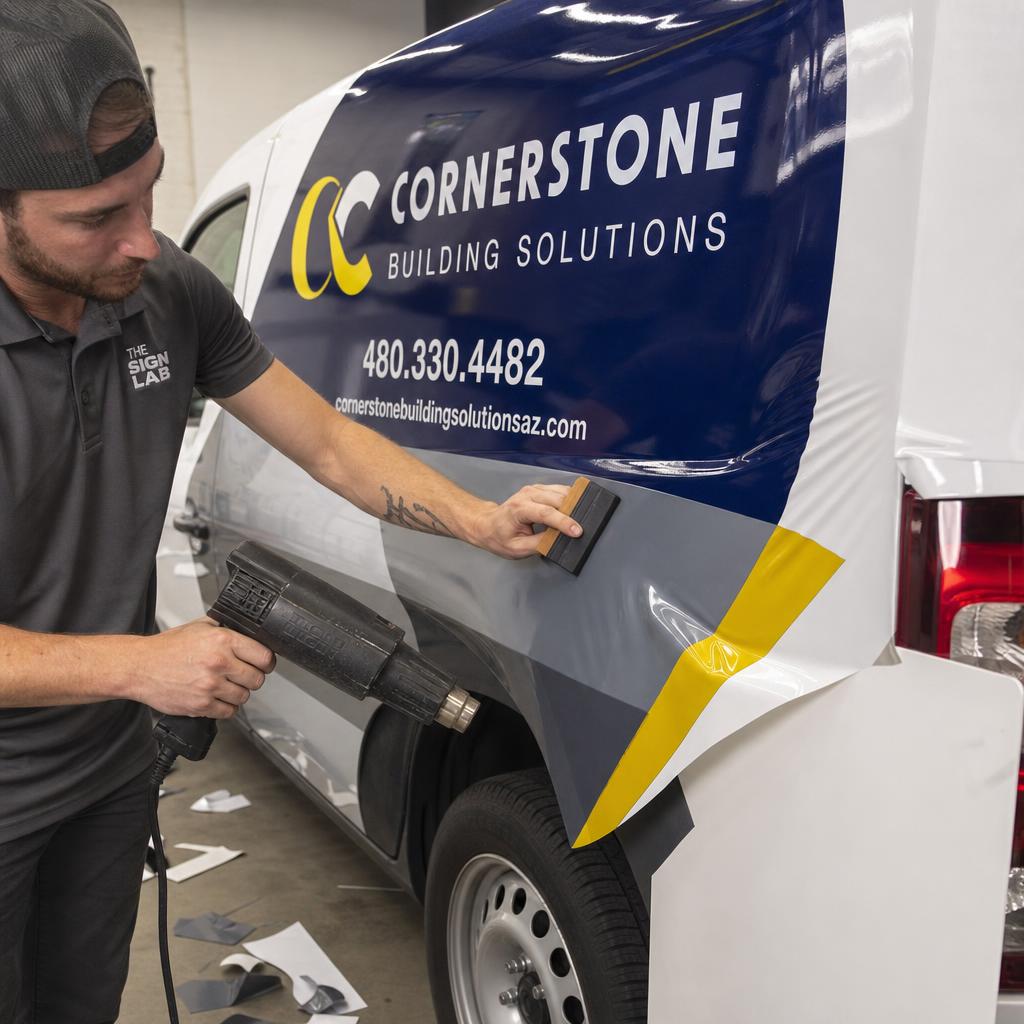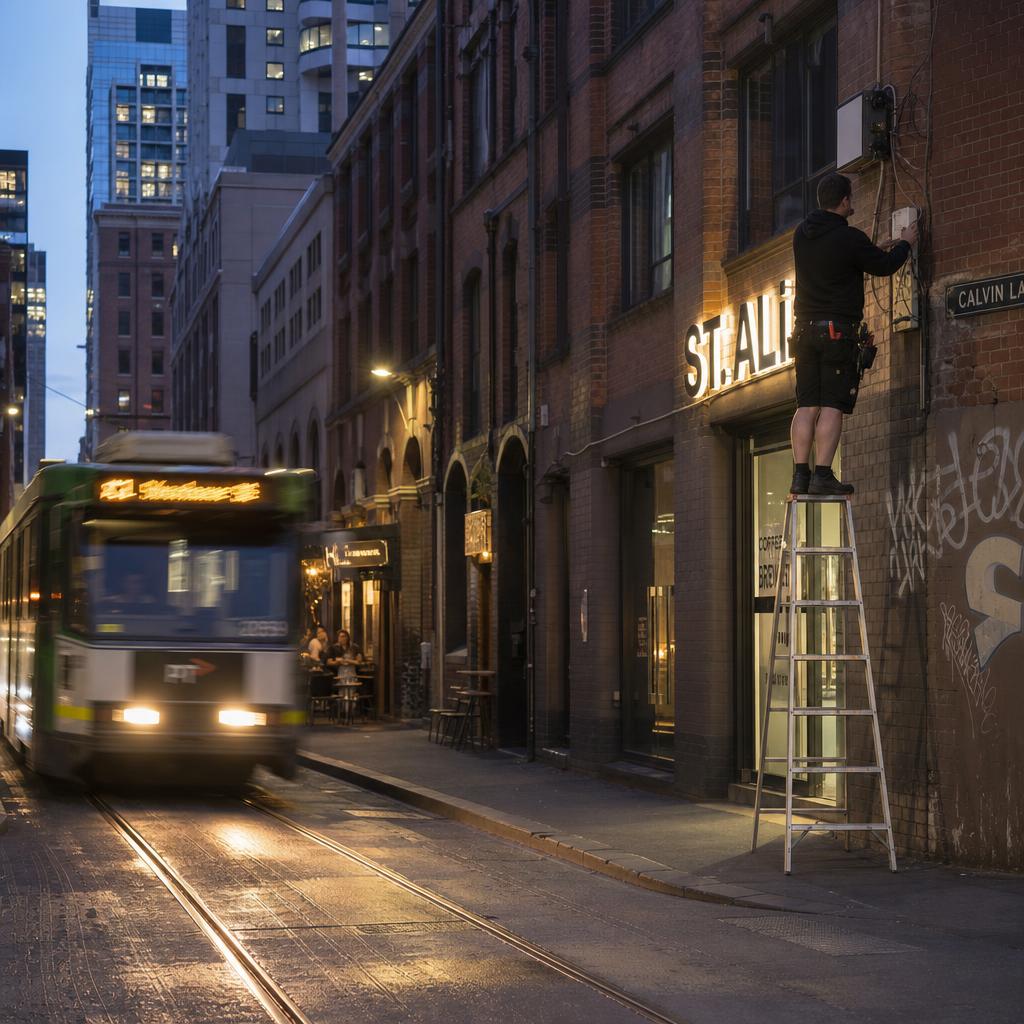
Searching for business signage in Melbourne? Whether you need shopfront signage in the CBD, retail displays in suburban shopping strips, or multi-site solutions across Victoria, this guide covers everything you need to know about signage companies Melbourne businesses trust.
Melbourne's signage industry ranges from traditional fabricators producing illuminated boxes and vinyl graphics to modern digital signage providers delivering cloud-managed displays. Understanding your options helps you make the right investment for your business.
Melbourne Signage Market Overview
Melbourne has one of Australia's most competitive signage markets, with over 400 registered sign manufacturers and installers operating across the metropolitan area. This competition benefits buyers—but also makes choosing the right provider challenging.
Types of Signage Companies in Melbourne
Full-Service Sign Companies Handle everything from design to fabrication to installation. Best for traditional static signage projects where you want a single point of contact.
Examples: Southern Cross Signs, Signwave, Signarama franchises
Typical projects: Shopfront fascias, illuminated signs, 3D lettering, vehicle wraps
Specialist Fabricators Focus on specific signage types—LED specialists, neon artisans, or architectural signage experts.
Examples: Neon Queen (custom neon), LED Sign Co (electronic displays)
Typical projects: Complex LED installations, heritage restorations, bespoke artistic pieces
Digital Signage Providers Supply and manage digital display solutions with cloud-based content management.
Examples: SPARC, Signagelive, Screenly
Typical projects: Digital menu boards, video walls, multi-location display networks
Print and Graphics Companies Specialise in printed vinyl, window graphics, and promotional materials.
Examples: Snap Printing, Kwik Kopy, Officeworks
Typical projects: Window decals, banners, event signage, temporary displays
Melbourne Signage by Location
CBD and Inner Melbourne
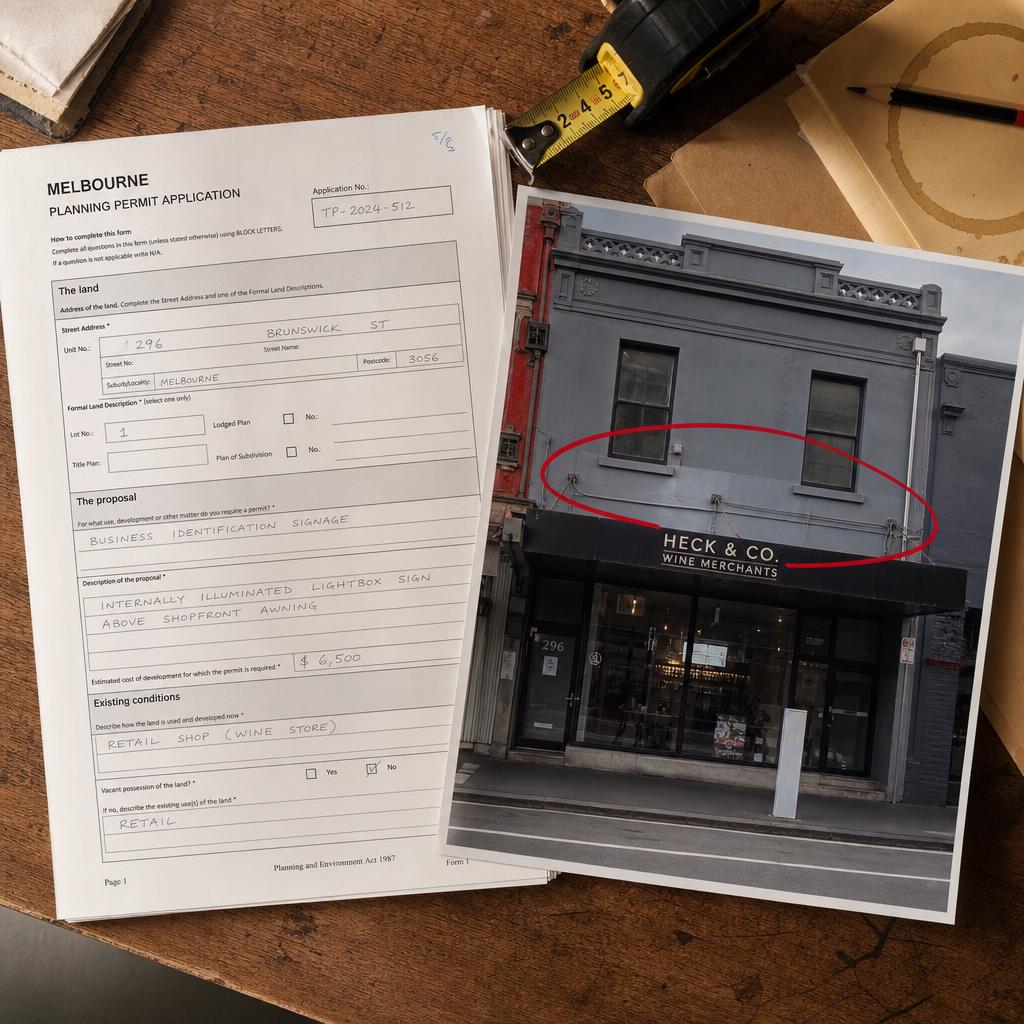
Planning considerations: Heritage overlays affect much of central Melbourne. Signs in heritage areas typically require: - Planning permit application - Heritage impact assessment - Approved colour palettes and materials - Size and illumination restrictions
Popular signage types:
- Blade signs (projecting)
- Awning signage
- Window graphics (often the easiest approval path)
- Digital displays behind glass (avoids some restrictions)
Local councils: City of Melbourne, Port Phillip, Yarra
Northern Suburbs (Brunswick, Preston, Heidelberg)
Planning considerations: Mixed—inner north has heritage and neighbourhood character overlays; outer north more permissive.
Popular signage types:
- Large-format LED for arterial roads
- Shopping strip fascia signs
- Pylon signs for standalone premises
Local councils: Moreland, Darebin, Banyule
Eastern Suburbs (Box Hill, Camberwell, Ringwood)
Planning considerations: Generally straightforward for commercial zones; some neighbourhood character restrictions in residential-adjacent areas.
Popular signage types:
- Shopping centre tenancy signage (often centre-managed)
- Asian-language signage common in Box Hill precinct
- Digital menu boards for hospitality strip
Local councils: Whitehorse, Boroondara, Maroondah
Western Suburbs (Footscray, Sunshine, Werribee)
Planning considerations: Industrial areas have relaxed signage rules; growth corridors seeing increased commercial development.
Popular signage types:
- Large-format industrial signage
- Pylon and monument signs
- Multi-tenant directory boards
Local councils: Maribyrnong, Brimbank, Wyndham
South-Eastern Suburbs (Dandenong, Frankston, Cranbourne)
Planning considerations: Major retail corridors and industrial precincts. Generally business-friendly signage policies.
Popular signage types:
- Retail park signage
- Industrial identification
- Vehicle and fleet graphics (major industry)
Local councils: Greater Dandenong, Frankston, Casey
How to Choose a Melbourne Signage Company
Questions to Ask Before Engaging
- Do you handle council permits? Many signage companies don't include permit applications in their quotes. This can add weeks and hundreds of dollars to your project.
- What's included in the quote? Ensure design, fabrication, delivery, installation, and electrical connection (if needed) are all specified.
- Can I see local examples? Ask for Melbourne installations you can visit—photos don't show quality like real-world examples.
- What's your warranty? Industry standard is 12 months for workmanship; look for 3-5 years on LED components.
- Who handles ongoing maintenance? Illuminated signs need periodic servicing. Clarify costs and response times upfront.
Red Flags to Watch
- No physical premises – Avoid companies operating only from residential addresses or PO boxes
- Unusually low quotes – Often means inferior materials or hidden costs
- No portfolio – Established companies have extensive local work to show
- Cash-only payments – Professional companies offer normal business payment terms
- No written warranty – Verbal promises are worthless when something fails
Melbourne Signage Pricing Guide
Traditional Signage Costs
Illuminated Fascia Sign (3m wide)
- Budget: $2,500-$4,000
- Mid-range: $4,000-$7,000
- Premium: $7,000-$15,000+
3D Acrylic Lettering
- Per letter (300mm): $80-$200
- Typical installation: $1,500-$4,000
Pylon/Monument Sign
- Single-sided (2m high): $5,000-$12,000
- Double-sided illuminated: $12,000-$35,000
Window Graphics
- Basic vinyl: $50-$100/sqm installed
- Printed graphics: $150-$300/sqm installed
Digital Signage Costs
Single Indoor Display (43-55")
- Hardware: $1,500-$3,500
- Installation: $300-$800
- Software (annual): $300-$600
Outdoor High-Brightness Display
- Hardware: $4,000-$12,000
- Weatherproof enclosure: $1,000-$3,000
- Installation: $500-$1,500
Video Wall (2x2 configuration)
- Hardware: $8,000-$20,000
- Mounting and installation: $2,000-$5,000
- Content management: $500-$1,200/year
Digital vs Traditional: Melbourne Business Considerations
When Traditional Signage Makes Sense
- Heritage zones with digital restrictions
- Permanent branding that won't change
- Architectural integration requirements
- Budget under $2,000 total
When Digital Signage Delivers Better ROI
- Multiple locations needing consistent messaging
- Frequently changing promotions or pricing
- Hospitality with daypart menus
- Retail wanting to test different messages
- Any business wanting to measure signage effectiveness
The Hybrid Approach
Many Melbourne businesses combine both: - Traditional illuminated fascia for permanent branding - Digital window display for rotating promotions - Static wayfinding with digital directories - Fixed menu categories with digital specials boards
Getting Started with Business Signage
For Traditional Signage
- Define your requirements – Size, illumination, materials, timeline
- Get 3 quotes – Compare like-for-like specifications
- Check references – Visit recent Melbourne installations
- Confirm inclusions – Design, permits, installation, electrical
- Review warranty – Get everything in writing
For Digital Signage
- Assess your needs – Number of screens, indoor/outdoor, content frequency
- Choose your approach – DIY hardware + software, or managed solution
- Trial before committing – Most platforms offer free trials
- Start small – Pilot one location before multi-site rollout
- Plan content – Technology is useless without good content
Melbourne Signage Industry Resources
Industry Associations:
- Signs Australia Victoria Chapter
- Australian Sign & Graphics Association
Regulatory Information:
- Victorian Planning Provisions (signage controls in Clause 52.05)
- Individual council signage policies (check your LGA website)
Trade Events:
- Visual Impact Melbourne (annual industry exhibition)
- Sign Africa Melbourne (supplier showcase)
---
Looking for digital signage that works across all your Melbourne locations? SPARC's cloud platform lets you manage unlimited displays from anywhere. Explore SPARC pricing to see how Melbourne businesses are modernising their signage.
From First Enquiry to Switch-On: A Realistic Timeline
One of the most common frustrations business owners raise with signage companies is not knowing what to expect once they've said yes to a quote. Understanding the real sequence of events helps you plan your shopfitout, launch date, or rebrand without nasty surprises.
It starts with a site visit and measure-up, which most Melbourne signage companies will not skip even if you supply your own measurements. Building facades are rarely as square or as accurately documented as owners assume, and getting it wrong is expensive to fix after fabrication.
Then design and artwork approval: usually one to two rounds of revisions — longer if you are finalising branding at the same time rather than working from an established style guide.
Council approval is where timelines stretch the most. Three things trigger it:
- Illuminated signage
- Anything projecting over a footpath
- Work on a heritage-listed building
Permit assessment adds anywhere from a couple of weeks to a couple of months, depending on the council and on whether your application is knocked back and needs resubmission.
Businesses that assume signage is a same-week job are caught out at this stage, not by the fabrication.
Fabrication timing depends heavily on sign type:
- Cut vinyl and basic non-illuminated signs — often turned around quickly once artwork is locked in
- Illuminated cabinets, custom-fabricated letters, powder-coating or specialist finishes — longer, because they are built to order rather than pulled off a shelf
- Vehicle wraps — in between. The wrap prints and installs in a few days; booking the vehicle in around your operating needs is the actual bottleneck
Installation is usually the shortest part of the process, but it's also the part most exposed to factors outside the signage company's control — access to power for electrical connection, scaffolding or elevated work platform availability for higher installs, and weather for outdoor work. A signage company that gives you a single fixed date with no buffer for these variables is either being optimistic or hasn't done this enough times to know better.
How Melbourne's Sign Permit Process Actually Works
Signage approval in Melbourne isn't one process — it's actually two separate approval pathways that sometimes both apply to the same sign, which is where a lot of confusion comes from.
A planning permit deals with whether the sign is allowed to exist in that location at all — its size, illumination, and visual impact relative to the zoning, any heritage overlay, and the character of the surrounding area. This is assessed by the local council under the Victoria Planning Provisions, and it's the stage where most delays happen because it can involve public notification periods for larger or more visually prominent signage.
A building permit, separately, deals with whether the sign is structurally and electrically safe — can the facade actually carry the weight, is it engineered to withstand wind loading, and is the electrical work compliant. This is typically handled by a private building surveyor rather than the council itself, and it usually moves faster than planning approval because it's a technical assessment rather than a discretionary one.
Not every sign needs both. Many smaller, non-illuminated signs within existing shopfront tenancies fall under exempt or as-of-right categories and go up without formal planning approval at all, provided they meet size and placement rules.
This is exactly why suburb-specific guidance matters. A sign that sails through in one municipality can trigger a full application in another — particularly inner-city and heritage-heavy councils versus growth-corridor outer suburbs with newer, more permissive codes.
A signage company that's done real volume of work across Melbourne will generally know which category your sign falls into before you pay for a design concept, and will flag heritage overlays or contested zoning early rather than after fabrication has started. That upfront knowledge is worth more than it sounds — reworking an already-built sign to satisfy a council condition is a far more expensive fix than adjusting a drawing.
Local Sign Maker or National Franchise? Weighing the Trade-offs
Melbourne businesses choosing a signage provider often end up deciding, whether they realise it or not, between a local independent fabricator and a national signage franchise or chain. Both can produce good work, but the trade-offs are genuinely different.
National franchises tend to offer more predictable process — standardised quoting, established project management systems, and often faster turnaround on straightforward jobs because they're running higher volume through set workflows. For a business rolling out identical signage across multiple sites in different states, this consistency can matter more than local relationships.
Local independents typically offer three things a franchise does not:
- More flexibility on custom or unusual jobs
- Closer familiarity with council quirks in the areas they service regularly
- A single point of contact who has actually seen your site, rather than a call centre relaying instructions to a fabrication team
For genuinely one-off jobs — an awkward facade, a heritage building, a non-standard illumination request — that local knowledge usually shows up as fewer surprises during the permit and install stages.
The trade-off to watch for either way is accountability after installation. Ask directly who you call if a sign fault develops six months in, and whether that's the same business that installed it or a subcontractor several layers removed. This single question tends to reveal more about which type of provider suits your situation than any comparison of their portfolios.
Business signage Melbourne FAQs
Do I need council approval for a shopfront sign in Melbourne?
It depends on the sign's size, illumination, and location rather than being a blanket rule. Many smaller, non-illuminated signs fitted within an existing shopfront tenancy fall under exempt categories and don't need a planning permit, while larger, illuminated, or projecting signage generally does. Heritage overlays and inner-city councils tend to apply stricter rules than growth-corridor outer suburbs, so the same sign can require approval in one municipality and not another.
How long does it take to get signage installed once I've approved the design?
This varies mainly on whether council approval is required. Signage that doesn't need a permit can often be fabricated and installed within a few weeks of artwork sign-off. Anything requiring planning approval should be budgeted with several additional weeks to a couple of months in mind, since assessment timeframes and any resubmissions are largely outside the signage company's control.
What's the difference between a planning permit and a building permit for signage?
A planning permit assesses whether a sign is allowed in that location at all, covering size, illumination, and visual impact under council planning rules. A building permit separately assesses whether the sign is structurally and electrically safe to install, usually handled by a private building surveyor. Some signs need both, some need only one, and some need neither.
Is it cheaper to use a national signage franchise or a local sign maker?
Cost comparisons depend heavily on the specific job rather than the type of provider. National franchises can be efficient for standardised, repeatable signage across multiple locations, while local independents are often more competitive on custom or one-off jobs where they aren't paying for franchise overhead. It's worth getting quotes from both types for anything beyond a straightforward rollout.
Can I get illuminated signage on a heritage-listed building?
Sometimes, but it typically requires a planning permit and closer scrutiny than a non-heritage site, since councils assess illuminated signage against the visual character of the heritage area as well as standard planning controls. A signage company with experience in heritage precincts will usually be able to tell you early whether a concept is realistic before you invest in design work.
What happens if my signage doesn't get council approval?
If an application is refused, you can typically revise the design to address the council's concerns and resubmit, or in some cases appeal the decision. This is why it's worth engaging a signage company that reviews likely approval issues before fabrication begins, since redesigning at the application stage is far less costly than modifying a sign that's already been built.
Do I need different signage for different Melbourne suburbs, or can I use the same design everywhere?
The design itself can generally stay consistent for brand purposes, but the size, illumination level, and permit pathway can differ from suburb to suburb depending on the local council's rules and any heritage or zoning overlays. Businesses with multiple Melbourne locations often need slightly different approval strategies per site even when the sign design itself doesn't change.